
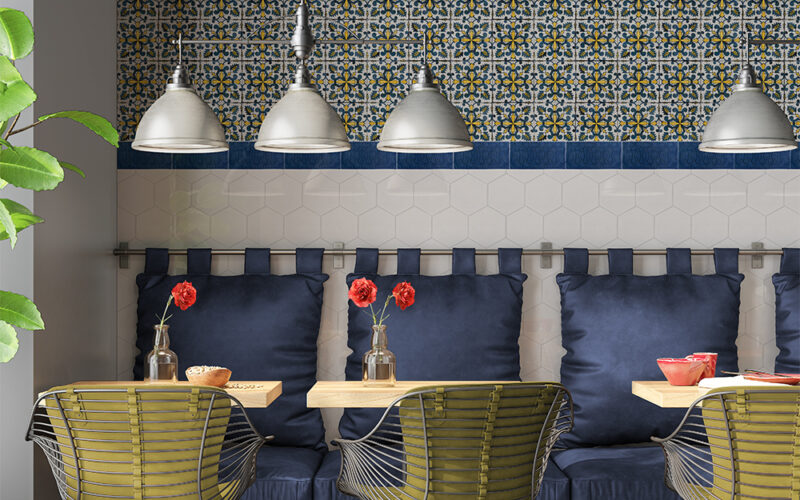
Porcelain Hexagon Floor Tiles
Introduction to Porcelain Hexagon Floor Tiles
Porcelain hexagon floor tiles have become one of the most admired design choices in modern interiors. Their unique six-sided shape draws inspiration from natural formations such as honeycombs, crystals, and minerals. This natural geometry has been admired by architects, artists, and designers for centuries, which explains why hexagon tiles never go out of style.
Made from high-quality porcelain clay fired at extremely high temperatures, hexagon tiles combine artistic beauty with technical strength. They not only offer design versatility but also guarantee resilience against daily wear and tear. For homeowners and designers looking for a timeless flooring solution that merges functionality with elegance, porcelain tile hexagon tiles are the perfect option.
What are Porcelain Hexagon Tiles?
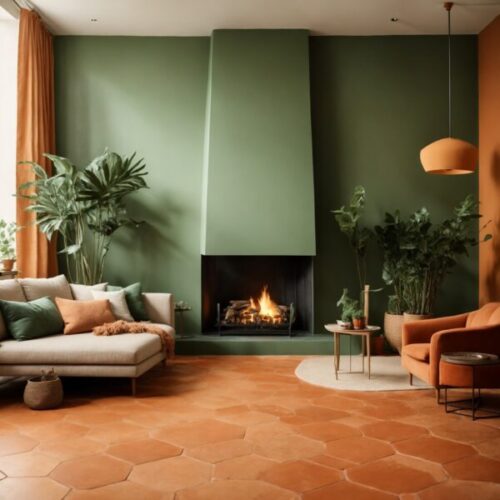
Porcelain hexagon tiles are floor coverings shaped into a six-sided polygon. Unlike traditional square or rectangular tiles, their angular pattern adds a rhythmic, geometric effect that instantly elevates any room. Because they are made of porcelain, they are stronger, denser, and more water-resistant than most ceramic alternatives.
The Enduring Appeal of Hexagon Shapes
The hexagon is a shape that represents both nature and mathematics. It is efficient, symmetrical, and visually striking. Throughout history, hexagons have been used in architecture from Roman mosaics to Art Deco interiors. Today, porcelain hexagon floor tiles continue this legacy, offering homeowners and architects a way to create designs that feel modern yet rooted in tradition.
Why Choose Porcelain Hexagon Tiles for Your Floor?
Durability and Longevity: Built to Last
Porcelain is known for its exceptional durability. Hexagon tiles crafted from porcelain withstand heavy foot traffic, scratches, and impacts, making them an ideal choice for both residential and commercial applications. Unlike softer flooring materials such as vinyl or wood, porcelain remains intact for decades with minimal wear.
Water Resistance: Ideal for High-Moisture Areas
One of the greatest advantages of porcelain is its extremely low water absorption rate. This makes porcelain hexagon tiles perfect for bathrooms, kitchens, laundry rooms, and even outdoor areas. The dense surface prevents moisture from seeping in, reducing the risk of water damage, mold, and bacteria growth.
Versatility in Design: Adapting to Any Style
From minimal Scandinavian interiors to bold industrial lofts, porcelain hexagon tiles adapt to nearly any design style. Their geometric form provides a strong base, while color, finish, and size customization allow designers to express creativity. Whether you want a subtle matte white floor or a dramatic black feature wall, hexagon tiles deliver.
Ease of Maintenance: A Practical Choice
In addition to their beauty, porcelain hexagon tiles are low-maintenance. Regular sweeping and occasional mopping with mild detergent are enough to maintain their polished look. Their stain resistance makes them especially convenient in kitchens and dining spaces where spills are frequent.
Design Versatility: Unleashing Creativity with Hexagons
Exploring Sizes and Finishes: From Micro to Large Format
Hexagon tiles are available in a range of sizes. Small mosaic hexagons bring intricate detailing to shower floors and backsplashes, while large format hexagons create bold, expansive flooring for living rooms or open-plan kitchens. Available finishes include polished for a sleek look, matte for understated elegance, and textured for slip-resistant practicality.
Color Palettes and Patterns: Creating Visual Interest
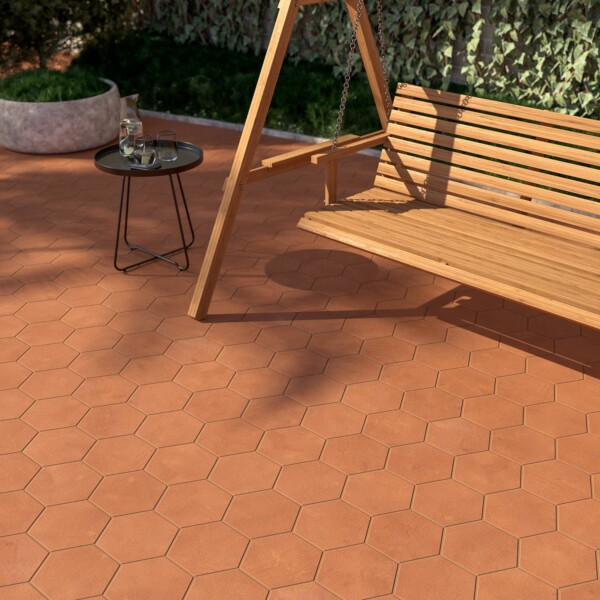
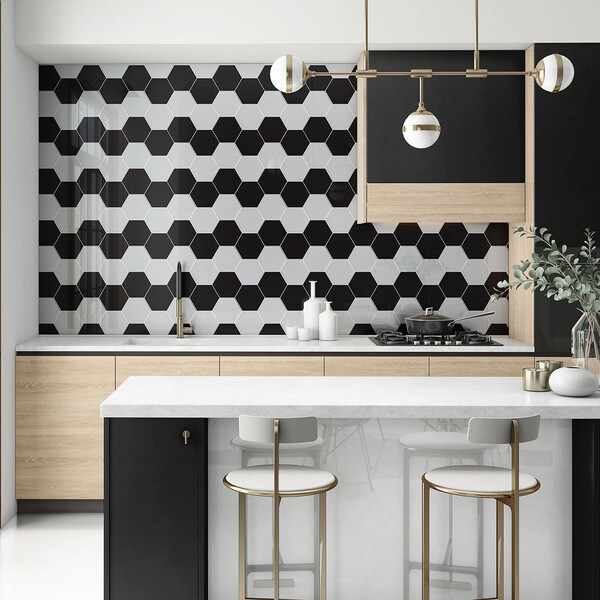
Porcelain hexagon tiles are produced in a wide palette of colors, from soft neutrals to bold jewel tones. Designers often play with contrasting shades, such as black and white hexagons in a honeycomb pattern, or warm terracotta tones for a Mediterranean effect. Ombré and gradient layouts are another popular technique, adding artistic depth to modern homes.
The Power of Grout: Defining or Softening the Look
Grout color transforms the overall look of a hexagon floor. Dark grout lines emphasize each individual tile, creating a dramatic geometric effect. Light grout, on the other hand, blends seamlessly with the tiles, producing a softer, more continuous surface. For creative homeowners, experimenting with colored grout adds personality and fun to any room.
Mixing Materials: Combining Hexagons with Wood and Stone
One of the most exciting design trends is blending hexagon porcelain tiles with other materials such as hardwood or marble. A living room may feature a porcelain hexagon floor that transitions into natural wood planks, creating a striking contrast while defining functional zones. This approach is especially effective in open-concept homes
Popular Applications for Porcelain Hexagon Floor Tiles
Bathroom Floors: Classic Charm and Modern Aesthetics
Hexagon tiles are a timeless choice for bathrooms. Their slip-resistant finish provides safety, while their water resistance ensures long-lasting performance. Classic black-and-white hexagon mosaics remain popular, while larger neutral hexagons lend a spa-like elegance.
Kitchen Floors: Style Meets Functionality
Kitchens benefit from flooring that can withstand spills, stains, and heavy use. Porcelain hexagon floor tiles meet all these requirements while offering unmatched style. Light gray or beige hexagons pair well with modern cabinetry, while bold patterned layouts make the floor a centerpiece.
Entryways and Hallways: Making a Grand Statement
The entryway is the first impression of a home. Porcelain hexagon tiles create a bold and memorable design right from the doorstep. In hallways, they provide durability against constant use while maintaining their elegant charm.
Outdoor Spaces: Extending Style Beyond the Indoors
Because porcelain tiles resist frost and extreme weather, hexagon tiles are ideal for outdoor patios, garden pathways, and pool surrounds. They create design continuity between the inside and outside of the home, extending the sense of style across all living spaces.
Installation Considerations for Hexagon Tiles
DIY vs. Professional Installation: What to Expect
While DIY enthusiasts may be tempted to install hexagon tiles themselves, their angular design requires precise placement. Uneven cuts or misaligned grout lines can disrupt the entire pattern. Professional installation ensures accuracy, efficiency, and a polished finish.

Planning Your Layout: The Importance of Set Out
Before installation begins, planning the layout is essential. Positioning the tiles so that cuts fall in less visible areas enhances the final look. Dry-laying a section helps visualize the design and avoid mistakes.
Cutting Hexagon Tiles: Tips and Techniques
Hexagons require special care when cutting. Using a wet saw with a diamond blade ensures smooth, accurate cuts that fit neatly into corners and edges. Patience during this step makes the final result seamless.
Grouting Techniques for Hexagon Patterns
Proper grouting is critical in hexagon installations. Applying grout diagonally prevents gaps and ensures clean lines. Consistent grout application also enhances durability and aesthetic appeal.
Styling Your Space with Porcelain Hexagon Tiles
Creating Focal Points with Feature Walls
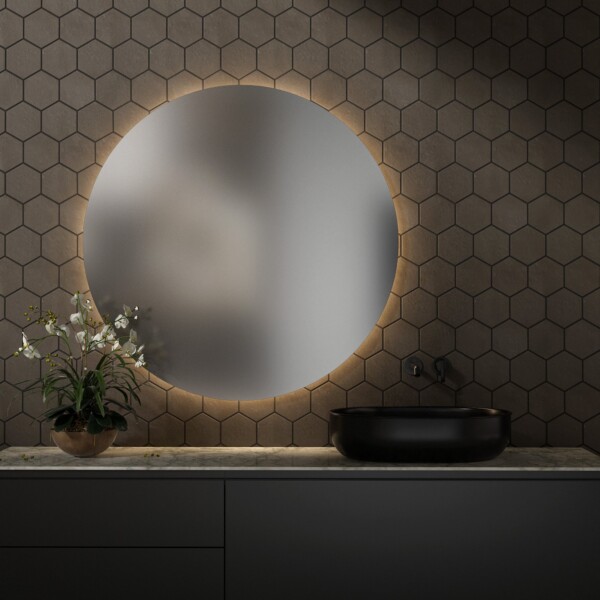
While primarily used for flooring, hexagon tiles are also striking on walls. A porcelain hexagon feature wall in a bathroom, kitchen, or fireplace surround creates a bold design statement.
Complementing with Fixtures and Lighting
Lighting plays a major role in enhancing hexagon designs. Pendant lights in kitchens or wall sconces in bathrooms highlight the geometric pattern and create shadows that emphasize depth.
Integrating Texture and Complementary Finishes
Porcelain hexagons work beautifully when paired with natural materials like wood, stone, or metals. Combining textures creates a layered look that feels rich and contemporary.
Achieving a Seamless Look: Full Hexagon Floors
For a minimalist aesthetic, covering an entire floor with porcelain hexagon tiles in a single shade creates harmony and continuity. Subtle finishes and neutral tones keep the space calm and sophisticated.
Frequently Asked Questions about Porcelain Hexagon Floor Tiles
What are the main benefits of using porcelain hexagon tiles on floors?
Porcelain hexagon floor tiles combine beauty with performance. They are extremely durable, scratch resistant, and water resistant. This makes them suitable for high-traffic rooms, kitchens, bathrooms, and even outdoor spaces. In addition, their geometric shape creates an elegant and timeless look that complements both traditional and contemporary interiors.
Are porcelain hexagon tiles difficult to install compared to other tile shapes?
Hexagon tiles require a little more precision than square or rectangular tiles. The six-sided shape means that grout joints must align perfectly for the pattern to look clean. Professional installation is recommended for larger areas or for homeowners who want a flawless finish. However, with proper planning and the right tools, experienced DIYers can achieve impressive results.
Can porcelain hexagon tiles be used in wet areas like showers and bathrooms?
Absolutely. Porcelain is highly water-resistant and ideal for wet environments. Hexagon tiles offer a naturally slip-resistant surface when textured finishes or smaller mosaics are used, making them both safe and stylish in showers, bathroom floors, and spa areas.
How do I choose the right size of hexagon tile for my space?
Consider the scale of your room and the impact you want to achieve. Smaller tiles work well in compact bathrooms or detailed designs, while larger hexagon tiles suit spacious areas like open-plan kitchens or living rooms. Balance is key—oversized tiles may overwhelm a small room, while tiny mosaics can get lost in a large area.
What grout color should I use with my porcelain hexagon tiles?
Grout color can transform the look of your tiled floor. For a seamless, modern look, choose a grout that closely matches the tile color. To create contrast and highlight the hexagon pattern, go for a darker or complementary shade. Colored grout can add personality and visual depth, especially in artistic or eclectic designs.
Are hexagon tiles a passing trend or a timeless design choice?
Hexagon tiles are far from a fleeting trend. Their roots in classical architecture and natural geometry give them a timeless quality. Whether used in modern homes, vintage-inspired interiors, or industrial spaces, hexagon tiles continue to be a staple in thoughtful, enduring design.
How do I clean and maintain porcelain hexagon floor tiles?
Cleaning is simple. Regular sweeping removes dust and debris, and mopping with a mild detergent keeps tiles fresh. Avoid harsh chemicals that could damage the finish. Occasional sealing of grout lines may be beneficial in wet areas to prevent discoloration.
Can I mix different colors or finishes of hexagon tiles?
Yes. Mixing finishes like matte and glossy or combining colors within a neutral palette creates beautiful contrasts and dynamic designs. This technique allows for unique expression, especially when creating borders, insets, or feature zones.
What are some popular design styles that complement hexagon tiles?
Hexagon tiles are incredibly versatile. They complement modern minimalism, mid-century modern, industrial chic, rustic farmhouse, and even bohemian interiors. Their ability to adapt to different aesthetics is one of the reasons they remain so popular.
Where can I find inspiration for porcelain hexagon floor tile design?
Browse design magazines, architecture blogs, and the MGM Tile showroom gallery. Online platforms like Pinterest and Instagram also offer hundreds of real-life applications to spark creativity.