
Honed vs. Polished Marble: The Complete Guide to Choosing the Right Finish
Choosing the right marble for your kitchen or bathroom renovation involves more than just selecting a color. The finish, whether honed or polished, plays a crucial role in both aesthetics and functionality. Each finish offers distinct benefits and maintenance requirements that will impact the look and feel of your space.
This guide explores the differences between honed and polished marble. It covers durability, maintenance, and style to help you make an informed decision for your home.
What Is Honed Marble?
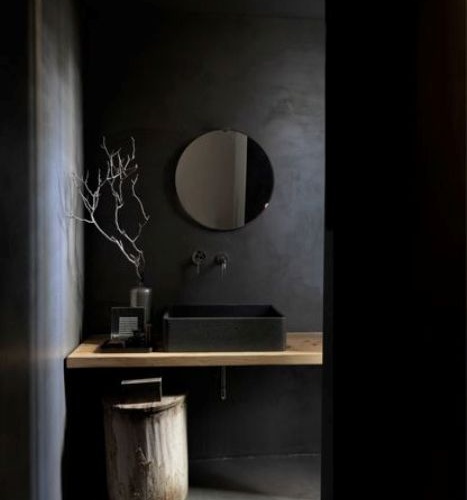
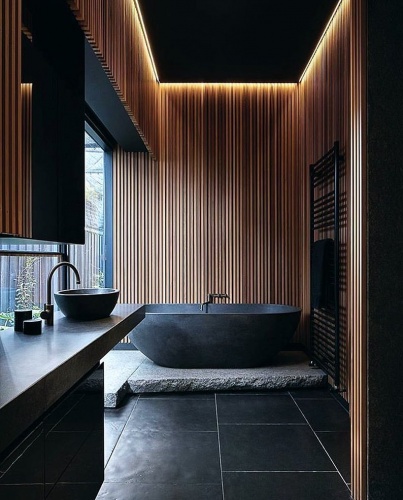
Honed marble features a matte, velvet-like finish lacking the glossy reflection typical of traditional stone surfaces. During fabrication, the slab is ground to a smooth, flat consistency but stops short of the final polishing stage. This results in a softer, more natural appearance that exudes understated elegance.
Because the surface is matte, it does not reflect light dramatically. This texture is ideal for creating an organic, relaxed atmosphere. Furthermore, the lack of shine means that minor scratches and etch marks are less visible, making honed marble a practical option for high-traffic areas. However, because the pores of the stone remain more open, this finish requires regular sealing to prevent staining.
What Is Polished Marble?
Polished marble is known for its high-gloss, mirror-like surface. This finish is achieved by grinding the stone with progressively finer abrasives until it reflects light brilliantly. The process enhances the stone’s natural colors and veining, creating a crisp, luxurious look often found in high-end designs.
Beyond aesthetics, the polishing process closes many of the stone’s pores. This makes the surface slightly denser and more resistant to stains than its honed counterpart. While spills are easier to wipe away, the glossy surface can be unforgiving with scratches and acid etching. These dull spots stand out against the shine. It is also slippery when wet, requiring caution in floor applications.
Key Differences in Appearance
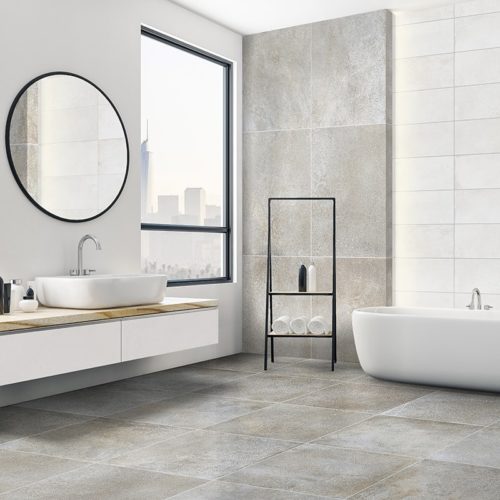
The primary distinction lies in light reflection and mood:
- Honed Marble: Offers a satin or matte look. It absorbs light rather than reflecting it, allowing the stone’s pattern to appear muted and soft. It fits perfectly in modern, farmhouse, or casual design schemes.
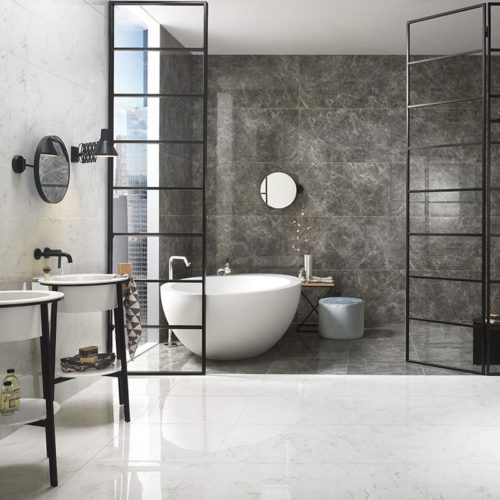
- Polished Marble: Acts like a mirror, bouncing light around the room to make spaces feel larger and brighter. It intensifies the contrast in the marble’s veining, making it the preferred choice for formal, opulent settings.
Which Finish Is More Scratch Resistant?
Technically, both surfaces have the same hardness, but honed marble hides scratches far better. Since the surface is already matte, a new scratch doesn’t disrupt the reflection of light. This makes it an excellent candidate for kitchen islands and food prep zones where utensils are frequently used.
Conversely, a scratch on polished marble disturbs the glossy reflection. This makes the imperfection immediately obvious to the naked eye. While durable, polished surfaces require the use of cutting boards and protective trivets to maintain their pristine look.
Stain Resistance and Porosity
Polished marble generally offers superior stain resistance. The polishing process creates a semi-protective layer that slows down the absorption of liquids like wine, coffee, or oil.
Honed marble is more porous. Without the glossy protective layer created by polishing, liquids can penetrate the stone more quickly. If you choose a honed finish, strict adherence to a sealing schedule and immediate cleanup of spills are essential to prevent permanent discoloration.
Is Honed or Polished Better for Flooring?
For safety reasons, honed marble is the superior choice for flooring, particularly in bathrooms, foyers, and kitchens. Its textured, matte surface provides natural traction. This significantly reduces the risk of slipping when the floor is wet.
Polished marble floors, while visually stunning, can be incredibly slippery. They are generally not recommended for wet areas like bathrooms unless treated with a non-slip coating or used in low-traffic decorative zones.
Maintenance: What to Expect
Both finishes require pH-neutral cleaners and soft cloths, but their specific needs vary:
- Honed Surface Care: Focus on sealing. You may need to reseal honed marble every 6 to 12 months to protect against deep stains.
- Polished Surface Care: Focus on preventing etching. Acidic substances like lemon, vinegar, and tomato sauce can dull the glossy finish upon contact. Wipe up spills instantly to preserve the shine.
Best Applications by Room
- Kitchen Countertops: Honed marble is often the pragmatic winner. It hides the wear and tear of daily cooking, such as knife marks and fingerprints, better than polished stone.
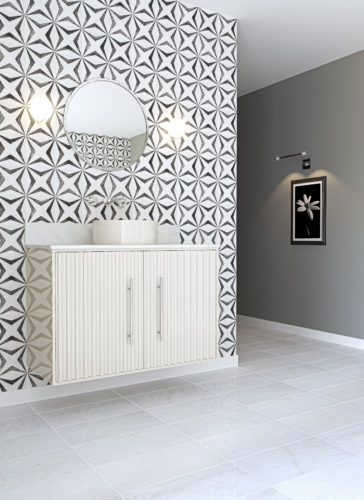
- Bathrooms & Vanities: Polished marble excels here. It adds a spa-like luxury, and since bathroom counters see less abrasive activity than kitchens, the risk of scratching is lower.
- Backsplashes & Walls: Both work well, but polished marble is excellent for backsplashes as it reflects under-cabinet lighting to brighten the workspace.
Conclusion: Making the Final Choice
The decision between honed and polished marble ultimately balances your design preference with your lifestyle.
- Choose Honed Marble if you prefer a contemporary, matte aesthetic and want a forgiving surface that hides scratches in a busy household.
- Choose Polished Marble if you desire a classic, high-gloss look that makes the room feel brighter and don’t mind the extra care required to keep the surface scratch-free.
Regardless of your choice, visiting a showroom to touch and see the slabs in person is the best next step. Examining how light interacts with each finish will give you the confidence that you are selecting the perfect stone for your home.