
Home Office Wall Design: Transform Your Workspace
Creating the perfect home office goes far beyond simply choosing an ergonomic chair or a sturdy desk. Your walls play a pivotal role in shaping a workspace that fosters productivity and sparks creativity. Whether you are converting a dedicated room or carving out a corner in your living area, thoughtful wall design can transform a mundane spot into a dynamic environment that enhances your entire work-from-home experience.
This guide explores innovative decor strategies, ranging from statement accent walls and functional shelving to sophisticated art placements, to help you build a workspace that is both highly functional and visually captivating.
The Impact of Wall Design on Your Workflow
The environment surrounding your desk significantly influences your daily output and mental well-being. Unlike a corporate cubicle where design choices are rigid and sterile, your home study offers the freedom to curate a personalized atmosphere. The right wall treatment does more than just look good; it acts as a functional tool to define zones within open floor plans, minimize visual distractions, and actively boost your mood.
Psychologically, factors such as color, texture, and organization contribute to how you feel during high-pressure video calls or deep-focus sessions. By investing time in your vertical space, you are laying the foundation for a more efficient workday. You are effectively creating a place where you genuinely enjoy spending time, rather than just a space where you are required to sit.
Creating a Focal Point with Accent Walls
An accent wall serves as the visual anchor of your office. It draws the eye and adds character without overwhelming the room. This strategy involves highlighting a single wall with a distinctive color, texture, or pattern while keeping the remaining areas neutral. It is a particularly effective technique for smaller spaces where you want to add depth without creating a cramped or chaotic feeling.
Choosing the Right Tone for Your Goals:
- Deep Navy or Emerald: These dark, rich tones create a sophisticated and focused backdrop that can reduce glare and help you concentrate on screens.
- Vibrant Yellow or Coral: These warmer shades energize the room and are excellent for stimulating creativity and lateral thinking.
- Soft Blues and Neutrals: These colors evoke a coastal calm, making them ideal for high-stress jobs that require a soothing atmosphere.
Beyond paint, consider architectural elements like wood paneling or geometric molding. Walnut or oak finishes bring warmth to modern setups. Alternatively, textured patterns can add a playful touch that inspires innovation without needing bright colors.
Maximizing Space with Wall Shelves
In a functional office, walls should serve a purpose beyond aesthetics. Floating shelves transform vertical space into essential storage while maintaining a clean and modern aesthetic. Unlike bulky bookcases that eat up floor space, wall-mounted units provide display areas without adding visual weight to the floor plan.
Strategic placement is key to utility. Installing shelves directly above your desk keeps essential tools within arm’s reach. Corner units can utilize often-wasted space to store reference materials or tech accessories. For shared areas, floor-to-ceiling shelving can even act as a room divider, effectively separating your professional zone from your living quarters.
Material Matters: Mix materials to reflect your personal style. Rustic wood pairs beautifully with vintage decor to create a cozy academic vibe, while glass and metal combinations suit industrial or minimalist themes perfectly.
Balancing Decor with Professionalism
Decorating your office walls requires a balance between personal expression and professional presentation. This is especially true if you frequently take video calls or host virtual webinars. The area visible in your camera frame serves as your professional backdrop and should look polished and distraction-free.
- Gallery Walls: A curated collection of framed art, photos, or motivational quotes can spark conversation. However, ensure the arrangement is neat to avoid looking cluttered on camera.
- Large-Scale Art: A single oversized canvas or mural makes a dramatic statement. It offers high impact with less visual clutter than multiple small pieces.
- Biophilic Design: Never underestimate the power of greenery. Wall-mounted planters or vertical gardens improve air quality and introduce organic textures. These natural elements help reduce eye strain during long screen sessions and lower stress levels.
Color Psychology and Productivity
The colors you choose can dictate the energy of the room. Cool tones, such as sage green and slate blue, are renowned for promoting concentration and calm. This makes them excellent choices for analytical tasks, coding, or writing. Warmer hues, while energizing, should be used thoughtfully to avoid overstimulation during long work hours.
Texture is another vital tool for engagement and acoustics. Cork boards, fabric panels, or textured wallpaper add dimension to the room. More importantly, soft textures help dampen sound and reduce echo, which is crucial for maintaining audio quality during calls in a busy household.
Elevating Design with Marble and Textures
The environment surrounding your desk significantly influences your daily output and mental well-being. Unlike a corporate cubicle where design choices are rigid and sterile, your home study offers the freedom to curate a personalized atmosphere. The right wall treatment does more than just look good; it acts as a functional tool to define zones within open floor plans, minimize visual distractions, and actively boost your mood.
Psychologically, factors such as color, texture, and organization contribute to how you feel during high-pressure video calls or deep-focus sessions. By investing time in your vertical space, you are laying the foundation for a more efficient workday. You are effectively creating a place where you genuinely enjoy spending time, rather than just a space where you are required to sit.
Paint vs. Wallpaper: Which is Right for You?
When finalizing your design, you will likely choose between paint and wallpaper. Each has distinct advantages depending on your situation.
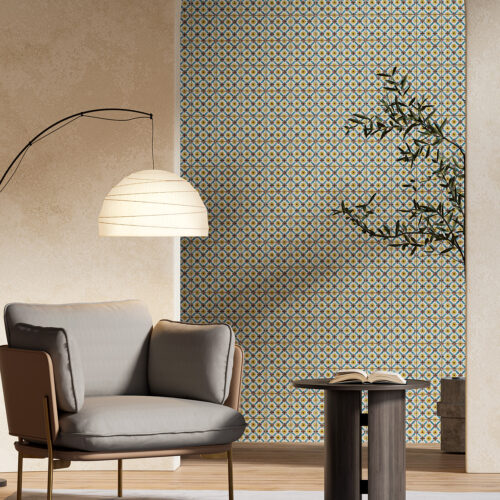
- Wallpaper: This is ideal for adding complex patterns and textures that paint cannot achieve. Modern peel-and-stick options are perfect for renters or those who love to update trends frequently without damaging the underlying drywall.
- Paint: This is the most versatile and budget-friendly choice. It allows for easy updates and custom effects, such as color blocking or ombre styles, which can be changed in a single weekend.
Often, the best approach is a combination of both media. You might use a dramatic wallpapered feature wall supported by neutral painted walls to maintain balance and visual breathing room.
Key Takeaways for a Perfect Workspace
- Define Your Space: Use accent walls to create a visual center and clearly separate your work zone from the rest of the home.
- Think Vertically: Utilize floating shelves to clear desk clutter and organize essentials, treating your walls as valuable real estate.
- Mind the Camera: meaningful decor behind your chair enhances your professional image during video calls and minimizes distractions for your colleagues.
- Light & Color: Choose colors based on your room’s natural light sources and the type of work you do; prioritize calm for focus or bright tones for creativity.
- Flexibility: Consider removable options like peel-and-stick wallpaper if you rent or anticipate future design changes.
- Natural Elements: Incorporate plants or natural textures like wood and stone to reduce stress, improve acoustics, and boost overall well-being.